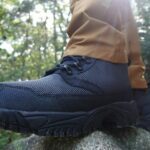
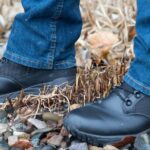
What Is a Boot Last and Why Is It Important?

What Is a Boot Last?

Many people don’t know how shoes are made. If you’re interested in learning how a boot is made, it’s important to understand the tools a shoemaker uses. So, what is a boot last and why is it important? Well, a boot last is a tool that helps shoemakers make boots. It looks like a foot and it’s used to shape the boot. A shoe last is the most important tool in shoemaking. Some people confuse this with a shoe tree, which simply keeps the shape of the shoe. A shoe last is a tool that shoemakers use to make shoes, which is what makes these two items different. Lasts are made from a few different types of materials including wood, plastic, or cast iron.

Why Is It Important

Now that you know what a shoe last is, why is it important? The short answer is that each type of shoe requires a different shoe last. For example, a boot is made with a boot last. To make sandals, a different shoe last is required. Each one is designed to make a specific shoe, so it cannot be used for more than one style. In other words, a boot last wouldn’t make a pair of pumps; that would require a pump last. Shoe lasts also have different toe shapes. For example, there are lasts for pointed-toe shoes or boots. Each company or brand has its own shoe or boot lasts. This is basically their “secret recipe”, if you will. They use the last to design their shoes, so it’s essentially what makes the shoes special or different from competitors.

How To Choose Proper Boots

When it’s time to choose comfortable boots, keep in mind that you’ll need support. The boot last is used to design a boot so it supports the foot and ankle. Comfort is the most important thing when it comes to boots. Anyone who spends most of the day on their feet should ensure the boots they buy are comfortable. A company that specializes in boots has likely invested time and money into developing a boot last that’s supportive and comfortable.

At Altai®, we offer waterproof combat boots that fit like a dream. We use materials that are lightweight and breathable, so you’re comfortable all day. These boots are carefully engineered to look and feel good all day long. We would be happy to help you choose the perfect boots for your lifestyle, so let us know if you have any questions.

Tips for Simplifying Your Travel Packing List

When packing for a trip, it’s important to take your time. It is easy to get carried away when choosing what to bring on a trip. Sometimes, it feels like we need to bring everything we own, but that is simply not the case. It can be difficult to find a happy medium between packing too many items and not enough. Keep reading if you’re interested in learning tips for simplifying your travel packing list.

Determine What Is Necessary

The first step to packing for a trip should be making a list. This helps you wrap your head around all the items you could potentially need. From there, determine what is necessary and what isn’t. A list of items helps understand how many things you need to fit into your bag. For example, there are plenty of items you could purchase once you arrive. Toiletries, such as shampoo and conditioner, don’t have to travel with you. Many hotels offer these items, so you could bypass them while packing. If you’re not staying at a hotel, a local store is sure to have toiletries for sale. Only pack items that are necessary, such as clothing or medication.

Bring Clothes That Mix & Match

Another tip for simplifying your packing list is to bring clothes that mix and match well together. The fewer clothes you bring, the more space you’ll have for other items. Rather than packing a bunch of outfits, opt for packing clothes that pair well together. This is a good option if you want to avoid repeating the same outfits. Packing neutral clothing makes it easy to mix and match. This is also beneficial because you could layer items for added warmth without worrying about clashing colors or prints.

Pack One Pair of Versatile Shoes

One of the best tips for simplifying your travel packing list is to pack one pair of versatile shoes. Shoes tend to take up the most space in a suitcase or duffle. If you’re looking to pack fewer items, it is best to stick with one pair of shoes. It can be tempting to pack a few pairs of shoes, just in case, but this is hardly ever necessary. You’ll either only wear these extra shoes once, or you’ll keep them in the suitcase for the entire trip. Packing one pair of versatile shoes is the best option if you’re looking to simplify your travel list.

At AltaiGear, we offer casual travel shoes that are perfect for any trip. These shoes are comfortable and breathable, making them the perfect option for travel. If you’re looking for a pair of stylish and comfortable walking shoes, you’ve come to the right place. Let us show you why these travel shoes are so awesome.

What Should I Wear When Hiking

There is nothing worse than being uncomfortable on a hike. Wearing the right clothing and footwear is essential to enjoying your time on the trails. Regardless of the season, there are certain staple pieces that everyone should own. If the question “what should I wear when hiking?” has ever crossed your mind, then we’ve got the answers for you.

Essential Clothing

The most important thing when it comes to clothing is making sure that whatever you’re wearing has some moisture-wicking component. Whether it’s winter or summer, there is a chance hiking will make you sweat. Wearing clothing that is quick-drying or breathable is the best option. When choosing a shirt, synthetic material is ideal. Pants should also be quick-drying to prevent excessive sweat from having negative effects on your body. Although it is tempting to wear shorts, consider wearing pants year-round. If poison ivy or sharp rocks are present, you’ll want your legs covered for protection. There are also many kinds of lightweight pants and shirts that are designed for hot weather. Having your body covered is the best way to ensure it is protected from various elements.

Sun Protection

Many people ask what they should wear when hiking and they anticipate an answer that’s entirely related to clothing. Although often overlooked, sun protection is one of the most important things to wear when hiking. The skin is the body’s largest organ, so you shouldn’t forget to incorporate sun protection into your day. This is one reason it is smart to wear long sleeves while hiking, even during the winter. It is a common misconception that sunburn cannot occur during the winter or on a cloudy day. Wearing sunscreen and a hat is one way to protect the skin from sun damage. Another idea is investing in an ultraviolet protection factor, or UPF, shirt. These shirts are designed to protect the body from the sun.

Proper Footwear

Proper footwear is arguably one of the most important things to wear when hiking. Since you spend most of the time hiking on your feet, quality footwear is worth the investment. Hiking boots are the best option for footwear. When investing in a pair of boots, consider all the weather conditions you might encounter during your hike. A pair of warm waterproof winter boots is an ideal option if you are hiking in cold climates. Most winter boots are designed to be breathable, so you could wear these boots throughout the year. Durability and comfortability are the most important factors to consider when choosing hiking boots.

Boots from Altai® are lightweight, durable, waterproof, and breathable. Our winter boots are designed with cold weather in mind, but they’re perfect for every season. If you’re in the market for hiking boots, be sure to check out our selection.

Packing Tips for a Hiking Trip

Getting active in nature is one of the best things you can do for your mental and physical health. Going on a hike is a great way to get outside and get active. Hiking is fun for everyone because there are many different places to hike, so you can choose a trail that best fits your experience level. Regardless of how experienced you are, being safe and comfortable is essential to enjoying a hike. Being prepared before setting out on an adventure is advantageous because it sets you up for an enjoyable and worry-free experience. We put together a guide with essential packing tips for a hiking trip, so keep reading to ensure your next hike is a success.

Essentials and Tools

When packing for a hiking trip, it is important to pack your essential items first. Packing these items first ensures you do not forget them, as they are essential to your safety. Packing your everyday wallet is a good idea because it has everything you need. This wallet should include cash and a form of identification. You should always carry these items with you in case of an emergency. This goes without saying but be sure to bring a cell phone on a hiking trip. Bringing a portable charger is a smart idea as well. If you wear glasses, make sure you bring an extra pair of glasses or contacts for emergency use.

Packing a few tools is a smart idea because you never know what could happen. Many phones have a flashlight feature, but you should still pack an actual flashlight with you. Don’t forget to check that it has batteries before packing it. Bringing a flashlight ensures that you will be able to see whether your phone is working or not. There are also various multitools on the market which makes it possible to carry several essential tools in a compact way.

Food and Drink

Even if you are only planning a short hiking trip, packing food and drink is essential. It is common to sweat while hiking, which means your body is becoming dehydrated. Packing a water bottle is important because dehydration can cause various uncomfortable symptoms. Forgetting to hydrate while hiking is easy to do, so packing a water bottle acts as a reminder to stay hydrated. If you are planning a long hiking trip, it is smart to invest in a water filter system or water bottle that filters the water itself. This ensures that you will have clean drinking water wherever you go.

Hiking is a form of exercise because you are moving your body. Like any exercise, you need to have energy. Energy comes from food and water, so be sure to pack these things with you. Having a few snacks for energy is smart because it is hard to keep going when you don’t have energy. Packing food for your hiking trip ensures that you have the nutrients necessary to complete the hike. Since you don’t want to lug around a cooler, it is smart to pack a few snacks to eat while on the trail. A few examples of food to pack includes energy bars, nuts, or jerky. These are great options because you can easily eat these snacks on-the-go.

Health and Safety

When packing for a hiking trip, take a minute to consider what you should bring to stay safe. A first-aid kit is an essential item that should be in every hiker’s bag. You can purchase fully stocked first-aid kits at most stores or online. A typical first-aid kit has bandages, antiseptic wipes, safety pins, and gauze. Hand sanitizer is another essential item. Don’t forget to pack your medication and inhaler, too. Sunscreen and bug spray are also important items you do not want to forget.

There are many reasons to start a fire during a hike, such as creating warmth and cooking food. Packing something to start a fire, such as a fire-starter log, is something to consider. You should also pack matches or a lighter to start the fire. Whether you are planning on having a fire or not, it is smart to have matches on hand.

Navigation

Bringing something for navigation is one of the most important packing tips for a hiking trip. You might be thinking that the map on your phone is good enough, but that simply is not the case. A phone can lose battery and die, leaving you stuck with no form of navigation. Packing a map and compass is essential to your safety as a hiker. Anything can happen when hiking, so it is important to have all your bases covered when it comes to safety. You can also bring a GPS or altimeter watch for navigation. Although technology is helpful, it is not always reliable. Bringing a physical paper map and compass ensures that you can find your way—even if your phone dies.

Clothing and Shoes

You should bring extra clothing to protect yourself should the temperature change or an emergency occurs. Bringing a hat, gloves, and a lightweight jacket is beneficial. You should also pack sunscreen or a hat for sun protection. A long sleeve shirt will protect your arms from the sun. A long sleeve could also protect you from bugs, so packing one in your bag is a smart idea.

The clothes and shoes you choose to wear have a major impact on your hiking trip. If you wear the wrong shoes, you will have a difficult time enjoying your hike. Investing in hiking boots is smart because you will be on your feet throughout the entire hike. It is important that you are comfortable. You might be tempted to wear leisure shoes or sneakers, but hiking boots ensure that your feet are protected and comfortable during your hiking trip.

ALTAI™ is the supreme destination to buy waterproof boots online. ALTAI™ boots are high quality and comfortable, making them the perfect option for hiking. Our boots are waterproof, stain resistant, and durable so you can enjoy your hike without worry. The last thing you should be thinking about while hiking is your shoes. We thoughtfully designed these boots to be comfortable and durable. Feel free to let us know if you have any questions while shopping.

Packing Tips for a Hiking Trip

Reasons To Wear Hiking Boots Instead of Sneakers

When it comes to hiking gear, everyone has preferences. One thing almost all hikers have in common is the belief that hiking boots are superior to sneakers. Sneakers are comfortable; everyone has a pair. Even though sneakers are common for fitness purposes, hiking boots are the better option for hiking. See our guide if you have any doubts: there are many reasons to wear hiking boots instead of sneakers.

Support

Support is one of the many reasons to wear hiking boots instead of sneakers. Although sneakers are advertised as comfortable, wearing sneaks for an extended period can become uncomfortable. This is because sneakers are not designed for long-time wear. Hiking boots are designed to support the foot and ankle all day. Hiking boots provide added ankle support, which isn’t an option with sneakers. Hiking on the uneven ground causes damage to the ankles, so wearing hiking boots provides support that isn’t possible with sneakers. Hiking boots are made to fit just as comfortably as sneakers, but with added support.

Versatility

Hiking boots are the preferred option for hiking footwear because of their versatility. Sneakers might work for a short hike in the summer, but hiking boots work in any weather. Imagine hiking in the snow wearing sneakers. That’s a big mistake; you could get frostbite or slip on ice. Hiking boots have many features that keep you safe and functional all year long, including being waterproof and breathable, making for an all-around better choice when it comes to hiking footwear.

Durability

Think about how often you buy sneakers. Hiking boots are made to last, unlike sneakers that fall apart after a few months use. Hiking boots are durable because they’re made to keep you safe while braving the elements. Whether hiking on a trail or a rocky terrain, hiking boots are deigned to keep you safe. Buying new sneakers means wearing them a few times, regardless of the discomfort, to break them in. If you opt for hiking boots, though, this is no longer necessary. One pair of hiking boots will last much longer than a pair of sneakers, which means no breaking in uncomfortable shoes.

Altai’s ® waterproof insulated hiking boots are perfect for any hiking trip. Altai® boots are made with Super Fabric® material which is durable, lightweight, water resistant, and stain resistant. Our innovative boots are so comfortable you’ll wonder why you didn’t own them sooner. Feel free to give us a call with any questions you may have along the way.

Key Things To Look for When Purchasing Winter Boots

Winter requires many people to change their wardrobe, including their shoes. In the winter, many people switch out their shoes for boots. Boots have many features that keep the feet warm in cold temperatures. Certain boots are also designed to function in the snow. Knowing what features you are looking for can help narrow down the choices when trying to find the right pair of boots. Keep reading to learn the key things to look for when purchasing winter boots.

Material

There are many things to consider when purchasing winter boots. When looking at the various options to choose from, the first thing that stands out is usually the material. Some boots are a fabric material, whereas other boots have a stronger exterior. Choosing the desired material depends on preference, but a strong exterior tends to be more functional than a soft exterior, such as fabric. An example of a hard-exterior boot is leather or a scuff-resistant material. Make sure to look for a pair of boots that are breathable, as well. Having a breathable pair of boots is important so that your feet don’t overheat.

When thinking about the preferred material for winter boots, consider the chance of precipitation. One of the key things to look for when purchasing winter boots is whether they are waterproof. If you live in a place where it snows, then you must get waterproof boots. Boots that are not waterproof are extremely uncomfortable to wear in the snow. This is because the moisture is absorbed into the fabric of the boot, making the boot damp or wet. Having quick-drying boots is also important, especially if there is snow or rain present. There are many reasons waterproof boots are ideal, especially if you live or work in a snowy or rainy climate.

Color

Choosing the right color is another aspect of buying winter boots that is should be considered. There are many different colors on the market, which can make the decision even more difficult. Deciding on a color for winter boots is simple when you know the function of the boots. If you work outside or spend time working near debris, that is something to take into consideration when choosing a color. Choosing a dark color is the best option when you wear the winter boots daily. Although light-colored boots can be alluring, light color is not practical in most settings. A light color can appear worn over time due to debris or precipitation.

Keeping it simple is an easy way to ensure the winter boots remain in good condition. Choosing a dark color, like black, ensures that the external elements don’t affect the appearance of the boots. Black boots are the preferred option because the color won’t change much over time. A light color would get dirty and look less professional over time. Choosing a black boot keeps you looking polished and professional, whereas a lighter pair that is dirty could make you look less put together. Having dark laces and soles is also important because the whole shoe is exposed to the outside elements. Another suggestion is looking for a pair of boots that are stain-resistant. This ensures that the boots remain in good condition all season.

Support

Standing all day requires comfortable shoes, so many people choose to wear sneakers. Sneakers are not an optimal choice due to the lack of ankle support. During the winter, there is also a need for coverage and protection from precipitation. If you stand for a long duration of time during the day, then you need a pair of winter boots that offers coverage and good support. Having good support is crucial when purchasing winter boots because many people fail to support the ankle or the arch, causing issues like plantar fasciitis. One of the things to look for in winter boots is an appropriate height. You should purchase boots that are high enough to provide ankle support. Choosing winter boots that are above the ankle can keep your ankle supported all day. Having a supported ankle is important because the position of the ankle determines how you stand.

Comfortability and Quality

Buying winter boots is an investment. It may be tempting to get a cheap pair of boots to save some money, but this is strongly advised against. Investing in a quality pair of boots is the best thing for your comfort. Cheap does not necessarily mean price. When purchasing a pair of winter boots, it is smart to investigate the overall quality. Look at the stitching on the exterior of the boot. If the stitching is messy, then the boot is probably not high-quality. You should also investigate the material of the boot. Good quality material feels strong but also comfortable, and high-quality boots are typically very comfortable.

Trying on the boots is obviously the best way to tell if they are comfortable, but there are other ways to determine this. Checking the website for testimonials or reviews is a great way to see how other people like the boots. Hearing another person explain the features and what they enjoyed about the boots is usually one of the best ways to determine whether a boot is of good quality. Seeing the boots in a video or on someone can also give you an idea of how they fit and how wearing them feels.

Functional Closure

The last thing to consider when purchasing winter boots is how the shoe is put on. Thinking about the closure feature is important because no one wants to struggle to get their shoes on and off. Many boots are slip-on which provides support, but they are difficult to get on and off. Purchasing a pair of boots with a functional closure is essential. A zipper is useful to have to winter boots because it makes pulling the boots on and off easily. The lightweight duty boots from Altai® are ideal because they have the perfect functional closure. The YKK® side zipper makes it easy to get the boots on and off, while also providing ankle and leg support.

Altai® tactical boots are superior due to the various features that make our boots comfortable and functional. Our patented SuperFabric® materials provide the strong scuff resistance you need. This material is innovative, breathable, and lightweight. Altai® waterproof boots are as comfortable as sneakers with the support you need. Check out our website and give us a call if you have any questions.

Key Things To Look for When Purchasing Winter Boots

Tips for Backpacking Safely in The Winter

Backpacking is an experience that many people enjoy as they take in the beautiful scenery. Backpacking in the winter provides the same beauty as in the summer, but it also includes a few additional risks from low temperatures and precipitation. Backpacking in the winter can be enjoyable, but only if you make the proper preparations. Keep reading if you’re interested in picking up a few safety tips for backpacking in the winter.

Don’t Go Alone

Many people find solitude while backpacking. It can be a peaceful activity, but during the winter, you should avoid going alone. Reduced visibility and plunging temperatures make a solo trek more difficult. Going with someone else provides added safety because more than one person can see hazards. Additionally, having someone with you is essential if you get hurt or lost. If you must go alone, tell family or friends where you’re going and when you plan to return. You should also mention a rough outline of the trail you plan to take, as well as what you are wearing. Although they may sound extreme, these tips could save your life.

Stay Hydrated

Staying hydrated is one of the tips for backpacking safely in the winter that many people overlook. In the winter, as with any other season, staying hydrated is just as important as staying warm and dry. Wearing layers keeps you warm, but sweating can dehydrate the body. Drinking water while backpacking will give your body the hydration it needs to function. Keep water close to the body while hiking—inside your coat, if possible—to prevent it from freezing. Staying hydrated is essential to your health and, therefore, to your safety, so don’t forget to hydrate while backpacking.

Wear Proper Boots

Wearing the proper gear is one of the best tips for backpacking safely in the winter. Snow can coat the scenery, which makes it look beautiful; however, this also hides hazards and makes the trail slippery. The low temperatures can make staying warm while backpacking more difficult as well. Investing in a pair of quality hiking boots is fundamental because you want to feel protected and comfortable while backpacking.

Consider Altai® outdoor boots if you prioritize safety and comfort. Our waterproof boots keep your feet dry while remaining breathable. Lightweight and durable, they’re perfect for backpacking in the winter, so check out our website before you hit the trails.

When To Replace Your Work Boots

If you work on your feet all day, then you know the importance of wearing the right shoes. There is nothing worse than working all day while wearing uncomfortable shoes. Knowing when to replace your work boots is crucial to your comfort and safety. Follow these tips to know when it is time for a new pair of work boots.

Holes in the Boots

Surface holes are the most obvious indication that work boots need to be replaced. External wear and tear is damaging to the overall safety of the boot. One of the hazards associated with wearing boots with holes is that something could puncture the foot. If there is a hole in someone’s work boot, rocks or sharp debris could make its way into the boot. This would make wearing the boots extremely uncomfortable while working.

Another risk of working in boots with holes is that water or chemicals could get into the boot. This could cause damage to the boot or injury to the foot. Lastly, holes can alter the fit of the boot. Having a boot that fits perfectly is important because foot protection must be secure around the foot.

Cracked or Worn Soles

Damaged soles are another indication that work boots must be replaced. If the soles on a pair of boots are damaged in any way, they should be replaced immediately. This is especially true for slip-resistant soles because they are designed for your safety. It is important to note that damaged soles do not function properly. Having cracked or worn soles can affect your balance, which presents a potential hazard.

A tip for staying on top of this is by checking the treads on the soles to see whether they are worn. If the treads are worn, then the boots are not functioning to their full capacity which means it is time for new work boots.

Body Pain

Knowing when to replace your work boots is not obvious by their appearance alone. Works boots are designed to keep workers safe, but work boots are also meant to support the foot. Having the foot properly supported benefits the entire body—work boots must provide the proper support. Damaged work boots are uncomfortable to wear as they cause blisters and sore feet. Wearing boots that are damaged can also cause back and leg pain. If you notice body pain while working that is not caused by an accident or new activity, then it may be time for a pair of new work boots. Body pain or random aches are a sign that your work boots need to be replaced.

Knowing when to replace work boots is essential to an individual’s safety and comfortability. Check out ALTAI™ for waterproof rugged work boots that are lightweight, durable, and breathable.

The Difference Between Hiking and Work Boots

All boots are not the same, as different activities call for different features in footwear. As you decide between the assorted products available to you, knowing what to expect from common boot categories can help you find the right fit for you. Learn the difference between hiking and work boots with the information we share here.

Flexibility

Flexibility is one major point of differentiation between boots. For hiking boots, stability on uneven ground is the highest priority since users will wear them on rocky terrain. For this reason, hiking boot soles are flexible, allowing them to distribute weight more evenly, protect feet from sharp stones, and keep you comfortable. In contrast, work boot soles are thicker and more rigid. While this makes them somewhat harder on the feet, it is necessary to keep sharp nails from puncturing them.

Traction

Another difference between hiking and work boots is in their level of traction. A strong grip is necessary for both hiking and work scenarios, but the specific patterns that boots possess will vary depending on which activity the manufacturer made them for. If you look at the patterns on a hiking boot sole, you’ll notice that they are highly diverse. Bumps and grooves point in all directions and come in many shapes and sizes within a single boot. This variety allows them to maintain traction when you walk over snow, ice, mud, rocks, and slimy plant matter. Work boots, on the other hand, have more regular lug patterns that offer adequate slip resistance for the jobsite but not as much as the lugs on hiking boots. Work boot traction stands up to bad weather and water.

Weight

Hiking and work boots diverge in weight because of the safety features that they have. Since hikers will carry backpacks while walking over unpaved and bumpy earth, they have rubber reinforcement or toecaps at the front to reduce the likelihood of tripping. At the same time, though, hiking boots must remain lightweight so that people don’t become over-exhausted while wearing them. Work boots need to act as armor because the people who use them may stand and walk near heavy objects, tools, and machinery. They frequently contain composite or steel toes to prevent foot injuries, which increases their weight.

To find versatile waterproof outdoor boots and work boots, visit ALTAI™ today online. We have several models of varying heights that are lightweight and robust for physically demanding situations.

Cart0
There are no products in the cart!
Continue shopping