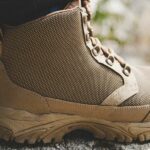
What Waterproof Boots Are Made of

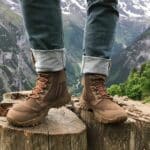
When you look for a new pair of boots, there are many things to consider. What do you anticipate doing while wearing these boots? If you plan on working outside in various conditions, you probably want waterproof boots. Waterproof boots are a great option for anyone that anticipates working in the elements. If you’re wondering what waterproof boots are made of, keep reading.

Waterproof Boot Construction

Waterproof boots are made from many different materials. If boots aren’t labeled as “waterproof” it’s safe to assume that they aren’t. Waterproof boots typically consist of rubber, polyurethane, or neoprene. They’re a great option if you anticipate your feet being fully submerged in water. It’s important that your feet remain dry throughout the day, which is why many people prefer waterproof boots.

Waterproof vs. Water-Resistant Boots

When discussing what waterproof boots are made of, it’s important to distinguish the difference between waterproof and water-resistant boots. Although both types of boots can keep your feet dry, waterproof is the ideal option. Water-resistant boots can withstand a small among of water, but waterproof boots are ideal if your feet are fully submerged.

What Makes Altai® Different

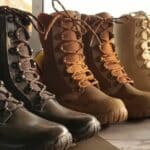
Although there are many options for waterproof boots, there’s nothing like Altai® boots. Many other brands haven’t mastered the ability to make boots waterproof and breathable. Most options restrict airflow, making them uncomfortable to wear for extended periods of time. Altai® boots are made with SuperFabric® material, so they’re durable and breathable. They are also super lightweight, so you can wear them comfortably all day. The SuperFabric® material is also scuff-resistant. This means you can wear them every day and they’ll remain in good condition.

If you’re looking to buy waterproof boots online, consider Altai® boots. We have many styles and colors to choose from depending on your preference. Whether you need them for work or play, you’re sure to love our boots. Feel free to reach out if you have any questions, as we’re happy to help.

How To Eliminate Odors From Your Work Boots

No one wants to wear smelly work boots, but sometimes the unpleasant odor is unavoidable. Working on your feet all day is hard work and sweating is a normal byproduct of that. When your work boots have an unpleasant odor, it’s essential that it’s taken care of immediately. Here we explain how to remove odor from work boots, so keep reading to learn more.

Baking Soda

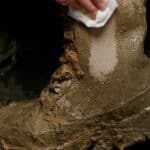
Working all day in your boots can cause an unpleasant odor. This happens because the feet sweat throughout the day, and then that sweat is absorbed into the boots. You can do several things to eliminate the odor from work boots. Baking soda is a Ph neutralizer, so it works great for eliminating odor. The baking soda helps eliminate the bad smell which is caused by sweat. Putting baking soda in boots is a simple and cheap way to eliminate odors.

If you’re wondering how to remove odors from work boots, try baking soda. Many people use baking soda to eliminate odors in their shoes. Some people suggest putting it directly into the shoes. If you use this method, the baking powder sits in the shoes overnight. The next morning, the baking soda is dumped out. Keep in mind that this method can make a mess.

Not everyone loves the idea of dumping baking soda directly into their work boots. Rather than pouring this substance directly into your boots, consider doing so in a more controlled way. Take two socks and fill them with baking powder. Then, tie a knot in each sock and place them into your shoes. In the morning, you can remove the socks from the boots.

Storage

Whenever your work boots are wet, you risk them developing an unpleasant smell. Wet work boots can develop a mildew smell, so it’s important to make sure your boots are stored properly. Make sure to store your work boots in a light and well-ventilated area. Avoid storing them in a dark or humid place. If possible, try to store your boots upside down. You can use wooden or metal stakes to place the boots on, upside-down, to help them fully dry. If you store them as is, the moisture might sink to the bottom of the boot and stay there. Make sure that your work boots are fully dry before you wear them again, as wearing wet shoes can cause discomfort.

Hygiene

Odor can come from sweat or mildew, among many other things. When your boots have an unpleasant odor, it’s common to think about ways to mask the odor. One of the steps to eliminating odor is to prevent it from getting worse. It seems like an obvious tip, but make sure you’re prioritizing your hygiene. Hygiene is important, especially when it comes to eliminating bad odors. Try to wash your feet before you put your work boots on. If your feet sweat throughout the night, it’s essential that you wash your feet in the morning before you put on your boots. Failure to do this will only make the odor worse. You should also wash your feet after work, to ensure that the odors from the day are washed away. It’s important to be thorough while washing your feet, so don’t forget to scrub between your toes. This probably goes without saying, but make sure to use soap while washing.

Proper Socks

What you wear with your boots also plays into how they smell. Have you considered the type of socks you’re wearing? It’s important to wear proper socks with your work boots to avoid excessive sweating. When you go shopping for socks, don’t just choose the cheapest option available. You also shouldn’t wear your everyday socks. If you’re on your feet all day, make sure to wear moisture-wicking socks. These socks help mitigate your foot sweat throughout the day and keep work boots from smelling after. There are many moisture-wicking socks on the market, so shop around to find which ones work best for you.

Another helpful tip is to always bring a spare pair of socks with you to work. Anything can happen, so it’s best to be prepared. If your socks get wet during the day, or if you experience excessive sweating, it’s helpful to have a spare pair. If you drive to work, consider keeping spare socks in your car for emergencies. This is also helpful if one of your socks rips during the day. It’s better to be cautious and bring a spare than to be uncomfortable all day.

Alternate Boots

If you want to eliminate odors from your work boots, consider having more than one pair. Shoes can develop an unpleasant odor if they’re worn excessively. If you wear your boots every day, there’s a good chance they have an odor. Having more than one pair of work boots allows you to alternate each day. This is also helpful if you need to give your boots time to dry. Rather than re-wearing a wet pair of boots, let them dry and wear your alternate pair. This helps keep the boots in better condition for the long term.

Replace

Sometimes work boots are beyond saving. Don’t bother with dryer sheets or work boot deodorizer because that will only mask the odor. If the odor is unbearable and won’t subside, it might be time for a replacement. If you’re replacing your work boots, consider a pair that are breathable. You might also want to buy a pair of work boots that are waterproof, for the sake of working in the rain or snow.

At Altai®, we offer high-quality tactical footwear. If you’re looking for quality footwear that’s comfortable and durable, look no further. Our boots are designed to provide your feet with support throughout the day. Altai® boots are of the best in the industry because they’re waterproof, lightweight, and breathable. Once you try on our high-quality boots, you’ll wonder how you ever went without them. Feel free to give us a call if you have any questions—we’d be happy to help.

How To Eliminate Odors From Your Work Boots

How To Prevent Slipping and Falling on Ice

Ice can make everyday tasks more challenging because it forces you to change your pace. Whether you’re hiking or working, there are situations where ice is unavoidable. If you slip and fall on ice, you can experience discomfort or injury. We have a few suggestions for how to prevent slipping and falling on ice, so read on to learn more.

Walk Cautiously

Understanding how to prevent slipping and falling on ice can save you from discomfort and possible injury. One way to prevent it from happening is to walk cautiously. When ice is present, try to keep your head up while walking to improve your balance. Try to resist the urge to put your hands in your pockets, as this can make you more unsteady. Wear some gloves, instead, to keep your hands warm. Make sure to avoid snow or ice when possible.

Keep Your Hands Free

It’s important to keep your hands free while walking on ice to ensure you maintain your balance. Don’t carry heavy objects in your hands, as that can throw you off. Wear a backpack to carry essential items instead. If you need something from your bag, stop walking to avoid slipping. Make sure you aren’t looking down at your phone while walking on ice. If you must look at your phone, stop walking before you check it.

Invest in Proper Footwear

One of the best ways to prevent slipping and falling on ice is to invest in proper footwear. You should wear boots while walking on ice because they provide foot and ankle support. They should fit properly to keep your feet from slipping and sliding around. You can experience discomfort and blisters if you wear the wrong shoe size. Also, make sure your shoes have good traction. Invest in waterproof boots to ensure your feet stay dry throughout the day.

At Altai®, we offer warm, waterproof winter boots. Since our boots are breathable, you can wear them all year round. They also provide superior traction so that you can hike through any terrain. If you’re looking for durable and high-quality footwear, look no further. Feel free to give us a call if you have any questions.

How To Determine Your Boot Size

Finding the correct size is only one of the important aspects to consider when looking for comfortable boots, but it’s obviously the most important. Boots are an investment, so it’s important that you get the right size. If you choose a pair that’s too big, your foot may slide around all day. If you choose boots that are too small, you may get blisters. Since you want to focus on the task at hand rather than how your feet feel, you should take the extra steps to ensure your boots should fit just right. We explain how to determine your boot size, so read on to learn more.

Read More about How To Determine Your Boot Size

How To Tell if Hiking Boots Are Too Big

It’s important to wear comfortable shoes, and wearing shoes that are too big can cause many issues. If you want to enjoy your hike, make sure that your hiking boots fit right. It can be difficult to find a pair of hiking boots that fit correctly. This guide explains how to tell if hiking boots are too big, so read on to learn more.

Check the Toe Area

There are several aspects to consider when you’re looking for the right boot size. If you’re wondering how to tell if hiking boots are too big, check the toe area. There should be some room by the toe area, but not too much. If you prefer to wear thick socks with hiking boots, keep this in mind when you try them on. Hiking boots should be snug around the foot, but your toes shoes have some room. Many people leave a thumbs gap between their toe and the end of the boot.

Go for a Walk

When you get new hiking boots, it’s important to check how they feel while you walk. You can do this inside your home. Your heel shouldn’t move much while you walk. If your heel shifts while you walk, the hiking boots are too big. Your foot should stay in place as you walk. Make sure that you walk at different speeds as well to ensure that you don’t feel any pain. It’s also important to keep in mind that you walk uphill and downhill on hikes. You want your feet to remain in a secure position throughout.

Check for Support

While you walk around in the boots, make sure that your ankle is secure. Hiking boots provide support for the foot, but only if they fit correctly. Lace up the boots and make sure they’re snug around the ankles. If there’s too much room between the boot and the ankle, the hiking boots may be too big. Tie the laces snug around the ankle to provide support.

Preventing slips and falls while hiking begins with finding the right pair of boots. At Altai®, we offer high-quality waterproof combat boots. They’re lightweight and breathable, so they’re perfect for hiking. Give us a call if you have any questions about sizing—we’re happy to help.

The Importance of Wearing Comfortable Shoes

There’s nothing worse than wearing the wrong shoes. Whether you’re traveling or working, it’s important to wear proper footwear. Wearing the wrong shoes can make completing tasks difficult, so it’s ideal to wear a comfortable pair. This guide explains the importance of wearing comfortable shoes, so keep reading to learn more.

Pain

It’s common to think of physical pain when discussing the importance of wearing comfortable shoes. You don’t want the shoe to squeeze your foot, but you also don’t want your foot sliding around. Wearing the wrong size shoe is one reason they might be uncomfortable; however, the way the shoe is designed also plays a part in how well it fits. It’s important to make sure the shoes you wear are agreeable; otherwise you may experience foot or leg pain or even develop a corn or blister.

Mood

Uncomfortable shoes have an impact on more than just your body. Think about how uncomfortable shoes make you feel. Do you feel irritable? Most people would say yes. Wearing ill-fitting shoes can ruin your entire day. Rather than enjoying what you’re doing, you’re thinking about the pain or even dwelling on other uncomfortable thoughts because of the pain. There’s no doubt that wearing the wrong shoes influences mood. To ensure you enjoy what you’re doing, make sure you fully enjoy the feel of the shoes you wear. Don’t drag yourself down because of a terrible shoe-shopping decision!

Posture

Wearing uncomfortable shoes can also affect your posture. Comfortable shoes provide you with the support you need. Since the shoes you wear have an impact on your posture, it’s important to choose shoes that make you feel comfortable. If you don’t have good posture, you can develop back issues. If you’re looking to improve your posture, invest in a quality pair of well-fitting shoes. The shoes you wear have an impact on various parts of the body, so it’s important to wear a proper pair.

At Altai®, we offer high-quality shoes that are comfortable and supportive. Our walking shoes for travel are comfortable and lightweight. These shoes are available in red, tan, and black, so there’s something for every personality. If you’re looking for a quality pair of shoes, look no further. We’re happy to answer any questions you have, so let us know if there’s anything we can do to assist you.

How Much Insulation You Need for a Boot

Boots are great for cold temperatures. Many boots are insulated, which is what keeps our feet warm. If you’ve ever wondered why some boots are warmer than others, it’s because of the insulation. Understanding how insulation works can help you choose the right pair of boots, so keep reading to learn how much insulation you need for a boot.

Understanding Insulation

Before you can understand how much insulation you need for a boot, let’s talk about what insulation means. Insulation keeps the boot warm in cold climates. There are various options due to the wide variety of temperatures. The higher the number, the more insulated the boot. For example, boots with 2000 grams of insulation are the most insulated than boots with 200 grams. Typically, boots between 400-600 grams are ideal for work, whereas boots with 1200-2000 grams are ideal for hiking. The amount of insulation depends on a few factors including external temperature and activity level.

Waterproof and Water Resistant

Another thing to consider when it comes to boots is whether they’re waterproof. Although water resistant boots can keep your feet dry, waterproof boots are the most ideal because they keep your feet dry in extremely wet conditions. When you’re choosing a pair of waterproof boots, make sure they’re still breathable. The last thing you want is sweaty feet, which is why breathability is so important.

Features To Look For

When you’re ready to buy boots, there are a few features to keep in mind. Consider the external temperature as well as your activity level. Look for boots that are waterproof, breathable, and durable and supportive. (These last two will be especially handy if you wear the boots daily.)

At Altai®, we offer high-quality and lightweight tactical boots. Our boots are perfect for anything you have in store. They’re designed to keep you comfortable all day long. Whether you’re wearing these boots for work or leisure, you’re sure to love how they perform. Feel free to give us a call if you have any questions, as we’d be happy to help.

The Different Types of Boot Construction Methods

The process of making shoes is more complex than you might think. Many people believe the material of the shoe is what’s most important, but the boot construction method is just as vital. Just as there are different kinds of shoes, there are also various types of construction methods. Learning how shoes are constructed can help people choose boots and shoes with ease. We put together a guide regarding the different types of boot construction methods, so read on to learn more.

Cemented Construction

Cemented construction is just one of the different types of boot construction methods. We should note that ALTAI® uses the cemented construction method. With the cemented construction method, the upper part of the shoe is glued to the sole with a strong adhesive. This technique is different from others because there’s no stitching or welt involved. This is more of a disposable shoe as it falls apart more easily than other construction methods. Typically, fast fashion companies use this construction method. One way to tell if a shoe is constructed this way is to look at the outsole, since a cemented shoe doesn’t have stitching. The outsole is the material that’s at the bottom of the shoe’s exterior. This is the part of the shoe that touches the ground.

Vulcanized

Another boot construction method is referred to as vulcanization. The vulcanized method is mostly used to make sneakers, but rubber boots can also be made this way. This method is more durable than cemented construction. The process of vulcanization makes the rubber more durable. An interesting process is used to make shoes this way. Chemicals and high heat are used to melt the rubber, which allows it to bond with other materials. This is an efficient method because multiple shoes can vulcanize at the same time. This means it’s cheaper to produce shoes this way. Since these shoes are made in a chamber, you might be wondering how they’re made. An aluminum last is used to ensure it can endure the extreme heat in the chamber.

Blake Stitch

The Blake stitch is another construction method for shoes. Lyman Reed Blake originally thought of this method, but eventually sold the patent to Gordon McKay. Some people refer to it as Blake-stitched, whereas other refer to it as McKay. Either name is recognized. This is one of the first mechanized methods for making shoes. It’s a quick and simple method, which makes it cost-effective. Blake method for shoes and boots have a stitch that goes through the insole, outsole, and upper. As previously mentioned, the outsole is the part of the shoe that touches the ground. The insole is the inside of the shoe, and the upper is the part of the shoe that covers the foot. Most shoes made using the Blake method are not water-resistant. Blake-stitched shoes can be resoled if the machine can do Blake stiches. The number of times a shoe can be resoled is limited since new holes are created in the uppers to remake the stich.

Goodyear Welt

The Goodyear welt is the most well-known type of shoe construction. The patent for this construction method was passed around from one person to another, but it ended up with Charles Goodyear Jr. This is where the name comes from, as you might have guessed. The difference of a Goodyear welted shoe vs. Blake stitched is the canvas rib under the insole of the Goodyear. The canvas rib is glued to the perimeter of the sole and a leather strip is attached. A welt is a strip of material that’s sewn around the edge of an upper. It’s common for the welt to be leather, but it can also be made of a different material. The Goodyear welt method makes durable and water-resistant boots. Another benefit associated with this construction method is that it’s easy to resole. This is because you can remove the sole stich and outside without the upper and insole being affected. The only downside is that shoes made with this construction method are not as flexible as a Blake stitch, for example. This is one of the only downsides as this construction method is very water-resistant and durable.

Hand Welted

Another method for boot construction is hand welting. This method is essentially the same technique as the Goodyear welted. The difference is in the name, as this construction method is not done by machine. After the shoe last is complete, the welting is done by hand. This construction method is not as common as some of the other construction methods. Very few shoemakers use this method as it’s very time consuming. The amount of time it takes to hand welt a shoe makes it very expensive.

Norwegian Welt

Lastly, the Norwegian welt is another construction method used to create boots. Surprisingly, the Norwegian welt method originates in Italy. This construction method is intended to make shoes that are waterproof making welted Norwegian work boots extremely durable. Rather than attaching the upper to the feather of the insole, it does something different. The upper is turned outward and runs parallel with the outsole. The Goodyear has only one exterior stitch, but the Norwegian has two. The outsole stitch holds together the upper, midsole, and outsole. The Norwegian stitch keeps together the upper and the insole. A cavity is created between the welt and the insole. A filler is often used to cover this cavity. Cork is commonly used to fill this cavity, but other materials can be utilized as well. The Norwegian welt is considered one of the most reliable boot constructions.

When you buy boots, it’s important to understand the boot construction methods used to make them. This ensures that you buy the right boots for your lifestyle. The construction method is just as important as the materials used, so make sure to do your research.

At ALTAI®, we offer high-quality tactical performance boots. Our boots are extremely durable thanks to the SuperFabric® upper and custom Vibram® outsole. Our boots are durable, lightweight, and comfortable. Plus, our boots are waterproof. At ALTAI®, we want you to be comfortable and supported. Feel free to give us a call if you have any questions—we’d be happy to help!

Types of Boot Construction Methods

Cart0
There are no products in the cart!
Continue shopping