
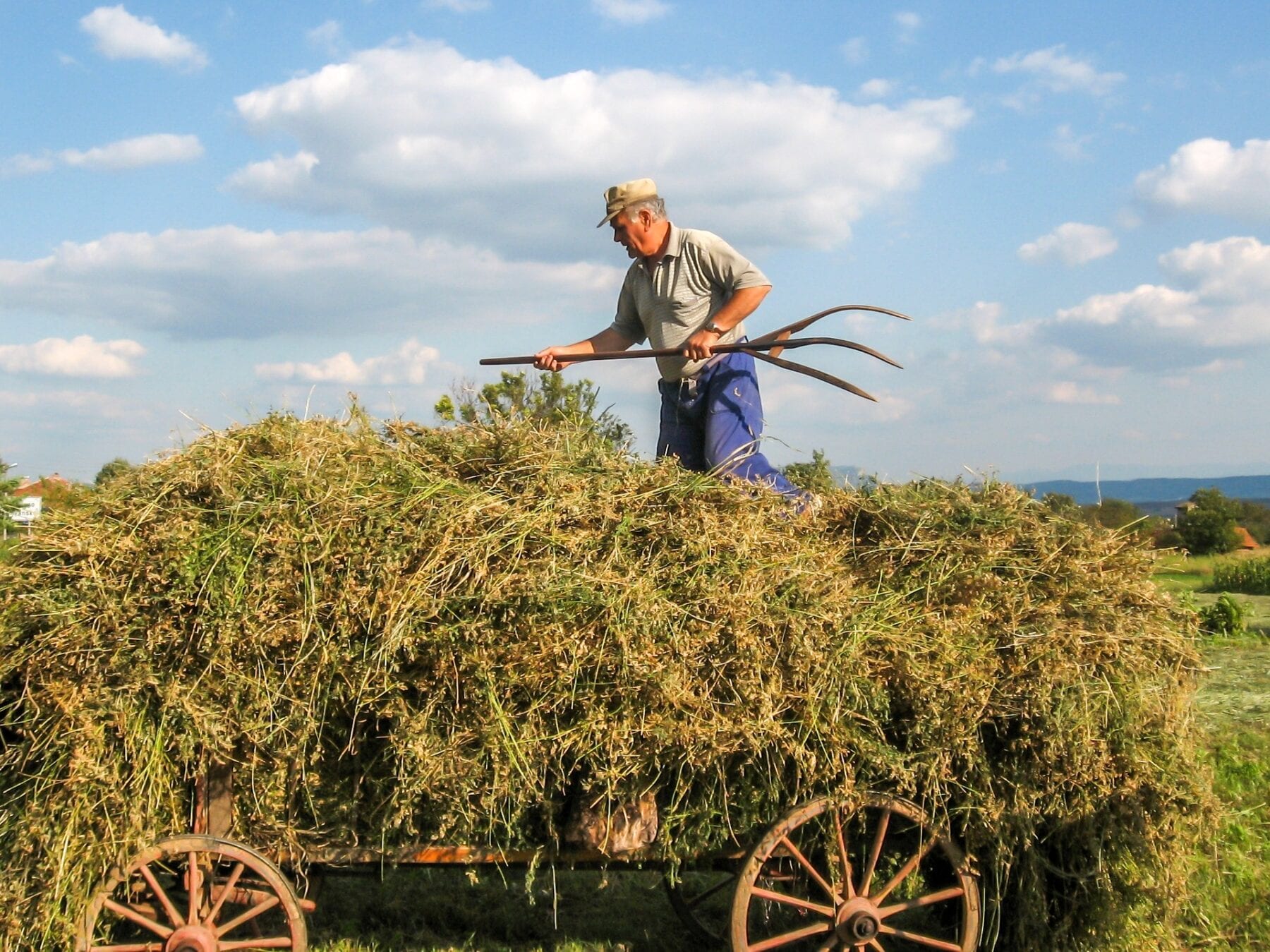
Whether you have an office-bound job or a physically demanding one, if you’ve experienced the rush after a successful hands-on project, you understand the powerful mental benefits of working with your hands.
Mental health experts have pointed out the all-around benefits of physical work, from improved sleep to increased learning abilities. Endorphins require the body to move and endorphins are that “feel good” chemical released when physical work is engaged. This process reduces stress and becomes a beneficial, repeated cycle of sharpening the mind through physical activity which, in turn, increases overall productivity.
With that reduction in stress comes a good night’s sleep. Being physically tired, not just mentally, is what allows the body to maximize the benefits of deep, necessary sleep. People who dedicate an average of 5 hours of physical work a day tend to sleep well through the night and feel rested the following day.
In addition to lowering obesity, hands-on work also encourages better learning abilities. Take learning a bike, for example. Reading about how to ride a bike or watching a video online can provide a little insight to the imagination, but actually grabbing a bicycle and getting on it are the only real ways to ever learn the skill. With a rewarding activity like riding a bicycle, the drive to learn new things is enhanced.
So in the spirit of today’s blog post: get out there, roll up your sleeves, and get down in that dirt! Scale those rocky trails to a new viewpoint in your local national park. Get your gardening gear on and tackle that monstrous project, head-on. All the benefits point to having a healthier, happier body and mind.
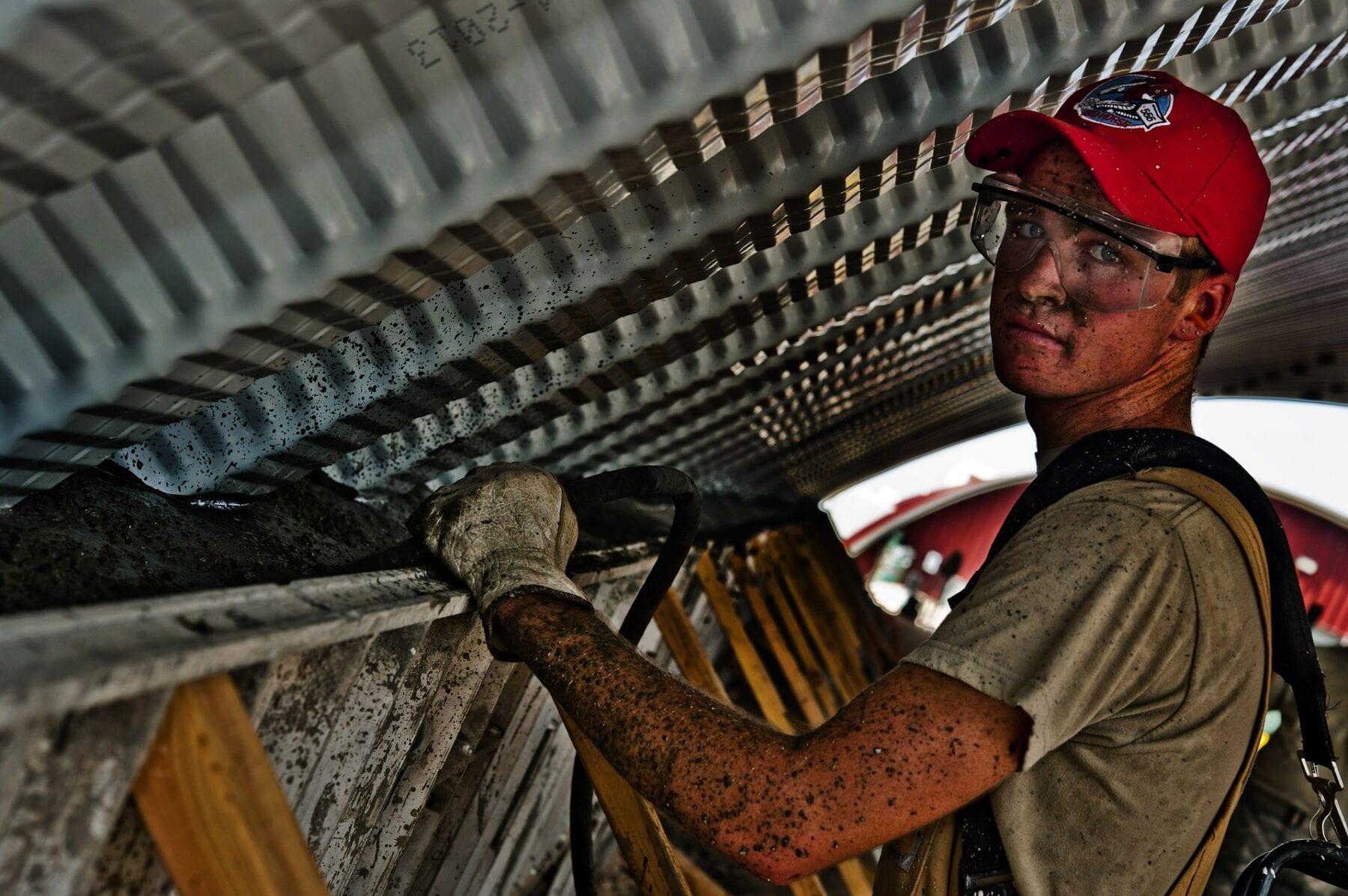
It may be surprising, but a resurgence in what are sometimes referred to as ‘blue collar’ jobs could be coming back stronger than you may have expected.
With higher education costs continuing to rise, more younger groups are choosing pursuits like on-site training or job-specific certifications. While college is still a main goal for many, others are beginning to hedge their bets on starting a skill-based career with hands-on experience. There are a litany of available ‘blue collar’ jobs that seek experiential knowledge, over a general degree.
Coinciding with this trend, there also is a shortage of skilled and semiskilled workers for these types of roles. Carpentry occupations, for example, are expected to grow 24% by 2022; and many other similar occupations will likely rise as well. Some 600 or more of these kinds of occupations will see significant growth and demand in the next few decades.
That being said, we are proud to see a potential future where ‘blue collar’ jobs gain interest and respect from a new generation that can take up labor roles for many other generations to come. Power to the labor workers of the world; society runs on the fruits of your labor.
 If you’ve ever worked a tough job, 10 or more hours on your feet, hauling, grinding, or patrolling away, you can appreciate what difference your favorite pair of work boots make. It’s quite the wonder, then, to take a look back at where footwear for laborers started and its evolution through the ages.
Around the 16th century, sabots were the common “protective” footwear for steel workers and the like, all the way up through the Industrial Revolution. The word sabotage originated from the known act of workers’ throwing a sabot into factory machinery, in order to shut down production.
However, as you can imagine, wooden sabots were protective only to a degree and mobility was gravely compromised. Leather boots came out on the rise but without any real protective qualities, protective toe components became the compromise to satisfy performance capability and safety.
Seeing how far work footwear has come over the years, we are proud to be part of the newest generation of footwear innovators. From space-age material SuperFabric® to world-reknown Vibram® soles, we will continue to outfit the hardest working people with the hardest working boots.